

























CyanLines has welcomed Middlewood Locks - Salford’s multi-award-winning £1 billion mixed-use regeneration neighbourhood - as its newest private-sector partner.
Middlewood Locks is located on CL4, the Irwell & Castlefield Loop, a route of approximately 8 km (5 miles) connecting Manchester and Salford through rivers, canals, heritage and green spaces.
The partnership brings together CyanLines’ ambition to create nature-rich walking, wheeling and cycling connections with Middlewood Locks’ commitment to placemaking, biodiversity, accessible waterside public realm and sustainable urban regeneration.
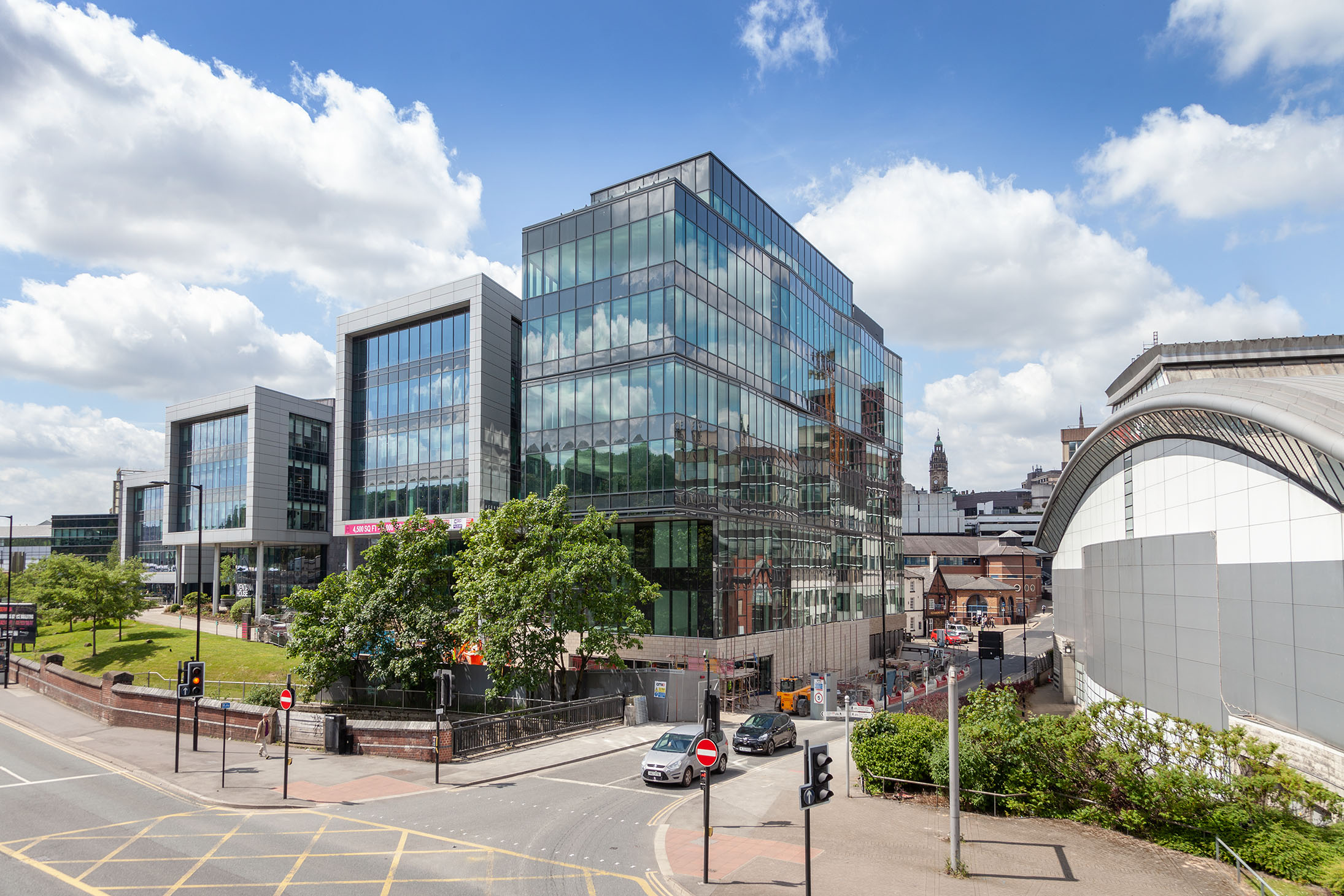
Developed as a joint venture by ourselves and Metro Holdings, Middlewood Locks is transforming a 25-acre former brownfield site around three large basins of the Manchester, Bolton & Bury Canal. The neighbourhood is now home to more than 2,600 residents in 1,306 homes, supported by retail and leisure amenities and extensive public realm.
Its position on CL4 makes Middlewood Locks an important gateway between Salford and Manchester city centre. The development has received national and regional recognition for its social impact and for its secure, welcoming walking and cycling connections.
As a private-sector partner, Scarborough Group International will support CyanLines’ work on CL4. The partnership comes as Middlewood Locks celebrates its 10th anniversary and prepares for its next major phase: design and enabling work for up to 909 further homes on the remaining 10-acre site.
Steve Connor, Programme Director for CyanLines said:
“Middlewood Locks is an important part of the landscape linking Salford and Manchester and already demonstrates the value of investing in welcoming waterside public spaces. We are delighted to welcome Scarborough Group International as a private-sector partner and to build on the opportunities created by Middlewood Locks’ location on CL4.”
Nicola Wallis, Group Residential Sales & Marketing Director at Scarborough Group International, said,
“It's wonderful to be part of such a fantastic initiative. One of the routes comes through the heart of Middlewood Locks along the canal, which is brilliant. We’ll be involved in work to help clear pathways and support the wider vision. It’s about wellbeing and access to green space for everyone - particularly in a city where many people live in apartments and may not have access to gardens.
“As developers, we have a responsibility to get behind initiatives like this, especially where routes pass through land owned or managed by different stakeholders. The more landowners and developers who support it, the easier it becomes to connect the whole network of pathways, parks and waterways.
“It has always been our vision to make Middlewood Locks a welcoming place for everyone to come and enjoy. Joining CyanLines is a natural next step and reflects our shared ambition to make Greater Manchester greener, healthier and better connected.”
CyanLines is the nature-powered partnership project aiming to connect Greater Manchester’s parks, squares, rivers, canals and viaducts into a high-quality network of walking, wheeling and cycling routes for residents, visitors and nature.
The long-term vision is to develop a network of hundreds of miles of CyanLines routes over ten years, starting with the city centres of Manchester and Salford and then stretching out across Greater Manchester to deliver a greener, healthier and more climate-resilient city for the future.
CL4 brings together Roman heritage, river and canal landscapes, Castlefield Viaduct’s park in the sky and the distinctive canalside neighbourhood at Middlewood Locks.
www.cyanlines.com
Instagram: @CyanLines
LinkedIn: CyanLines
.jpg)
Episode 06 of our podcast series is now live.
Created to mark 50 years of Scarborough Group International,Pull, Push & Shove explores the people, partnerships and defining momentsthat have shaped the business over five decades.
In the penultimate episode, host and three-time World SquashChampion Nick Matthew OBE is joined by our Founder and Chairman, Kevin McCabe,and long-standing adviser and Scarborough Group Foundation trustee Cesidio DiCiacca. They reflect on the trust and loyalty behind a working relationshipthat began in the 1970s, and on what it means to build something that lastsbeyond buildings.
The conversation turns to the Foundation and its support foryoung people, sport and health. Cesidio describes how Sandra McCabe helps guideits work with charities, while Kevin reflects on family, the next generationand the values he hopes to pass on. Together, they consider the legacy of thepast 50 years and the relationships that will carry it forward.
Explore the series and watch Episode 06 in full.
🎧 Spotify: https://open.spotify.com/episode/0oJ3zO06iK5G7SOZQh0RKF?si=kTwYkEPCSNWp63z7R6DZLA
🎬 YouTube: https://youtu.be/mYceBSPfksU
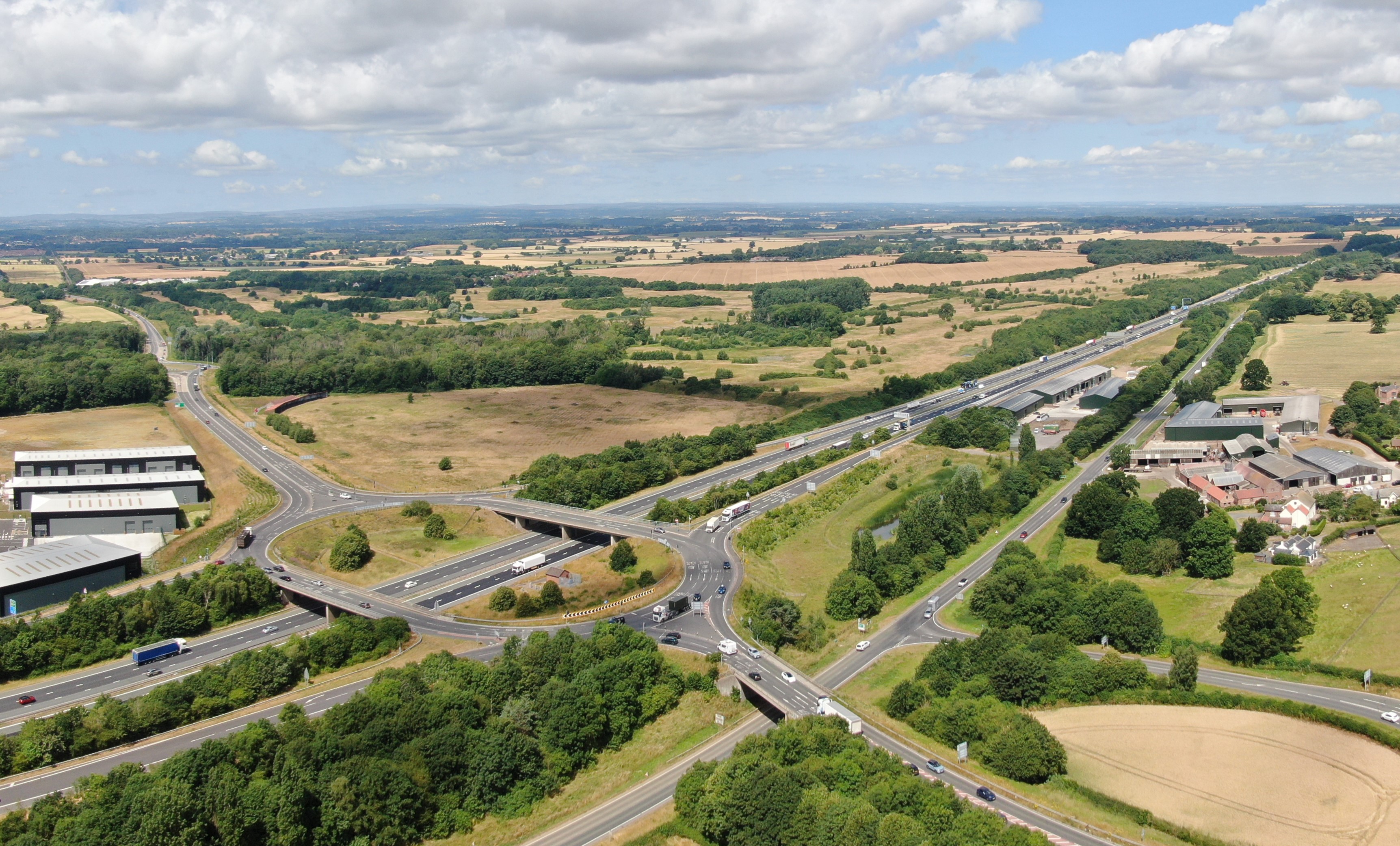
Together with our joint venture partner, Greyfriars Investments we have launched a public consultation on plans for the proposed first phase of employment-led development at Flaxby Park, giving local communities, businesses and stakeholders the opportunity to help shape the proposals before they are finalised.
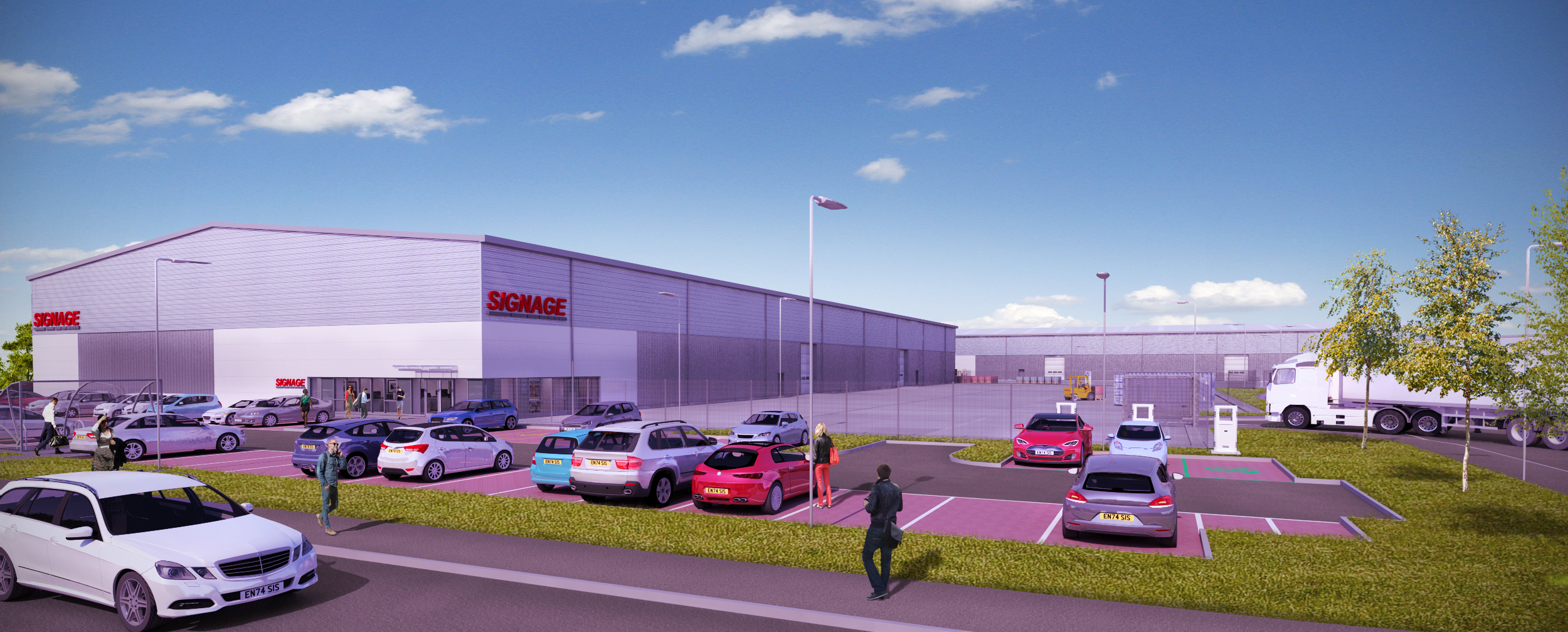
The plans relate to approximately 99.6 acres of land on the eastern side of Flaxby Park, adjacent to Junction 47 of the A1(M), where a hybrid planning application is being prepared for up to 810,000 sq ft of high-quality employment space. Together with a proposed Transport and Mobility Hub, extensive landscaping, ecological enhancements and sustainable drainage infrastructure, the development has the potential to support between 1,075 and 2,090 operational jobs while helping address the shortage of modern employment space in North Yorkshire and creating opportunities for inward investment, business growth and long-term economic prosperity. Buildings are being designed to target BREEAM Excellent and EPC A standards.
The consultation is the latest stage of engagement on Flaxby Park. Over the past eighteen months, since officially becoming a joint venture partner in the project, SGI has worked with local stakeholders and community representatives to help shape a long-term vision for the wider 280-acre site. That engagement has directly informed the first phase of employment-led development proposals now being presented for consultation, while the wider vision for Flaxby Park continues to be promoted separately through the emerging North Yorkshire Local Plan process.
Adam Varley, Development Director at Scarborough Group International, said:
"From the outset, we've been clear that Flaxby Park's future should be shaped through open and meaningful engagement.
"We've worked closely with local stakeholders and community representatives to develop proposals that respond to local priorities while supporting the county's long-term economic ambitions. We've listened carefully to the issues people have raised, from prioritising and enhancing the landscape and ecology to creating high-quality jobs, carefully considering connectivity and ensuring development comes forward in a considered and phased way.
"This consultation is a further opportunity for people to review the plans, share their views and help shape the final proposals before they are submitted to North Yorkshire Council later this year."
The public consultation will run from Wednesday 16 September to Wednesday 7 October 2026. The proposals and feedback form are available at flaxbypark.consultationonline.co.uk.
A public exhibition will also be held at Goldsborough Cricket Club on Wednesday 23 September, from 3pm to 7pm, where members of the community can meet the project team and discuss the proposals.
Feedback received will help shape the plans before a planning application is submitted to North Yorkshire Council later this year.
This consultation relates solely to the proposed first phase of employment development. The wider vision for Flaxby Park, which continues to be promoted separately through the emerging North Yorkshire Local Plan process, does not form part of the forthcoming planning application.

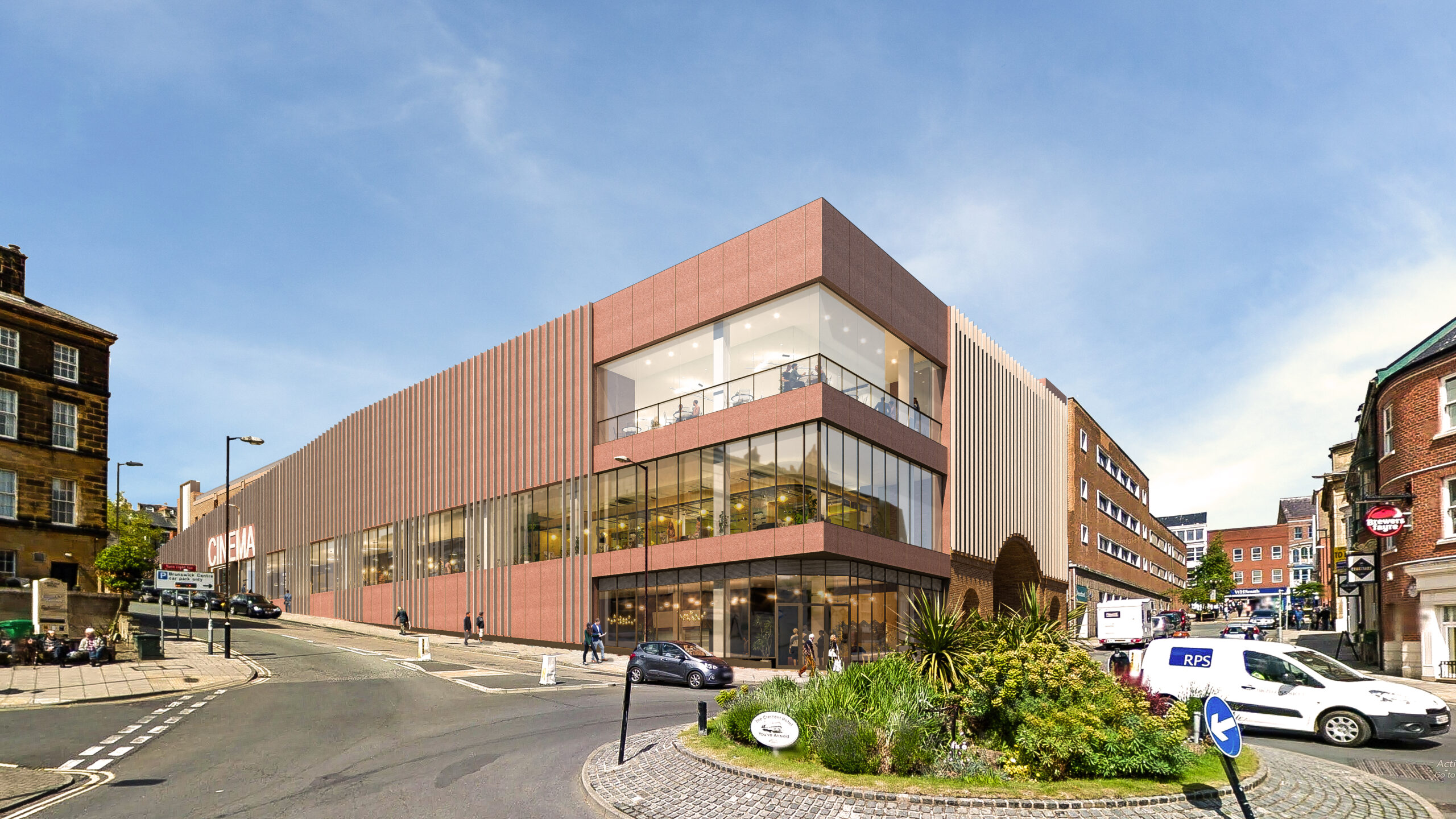
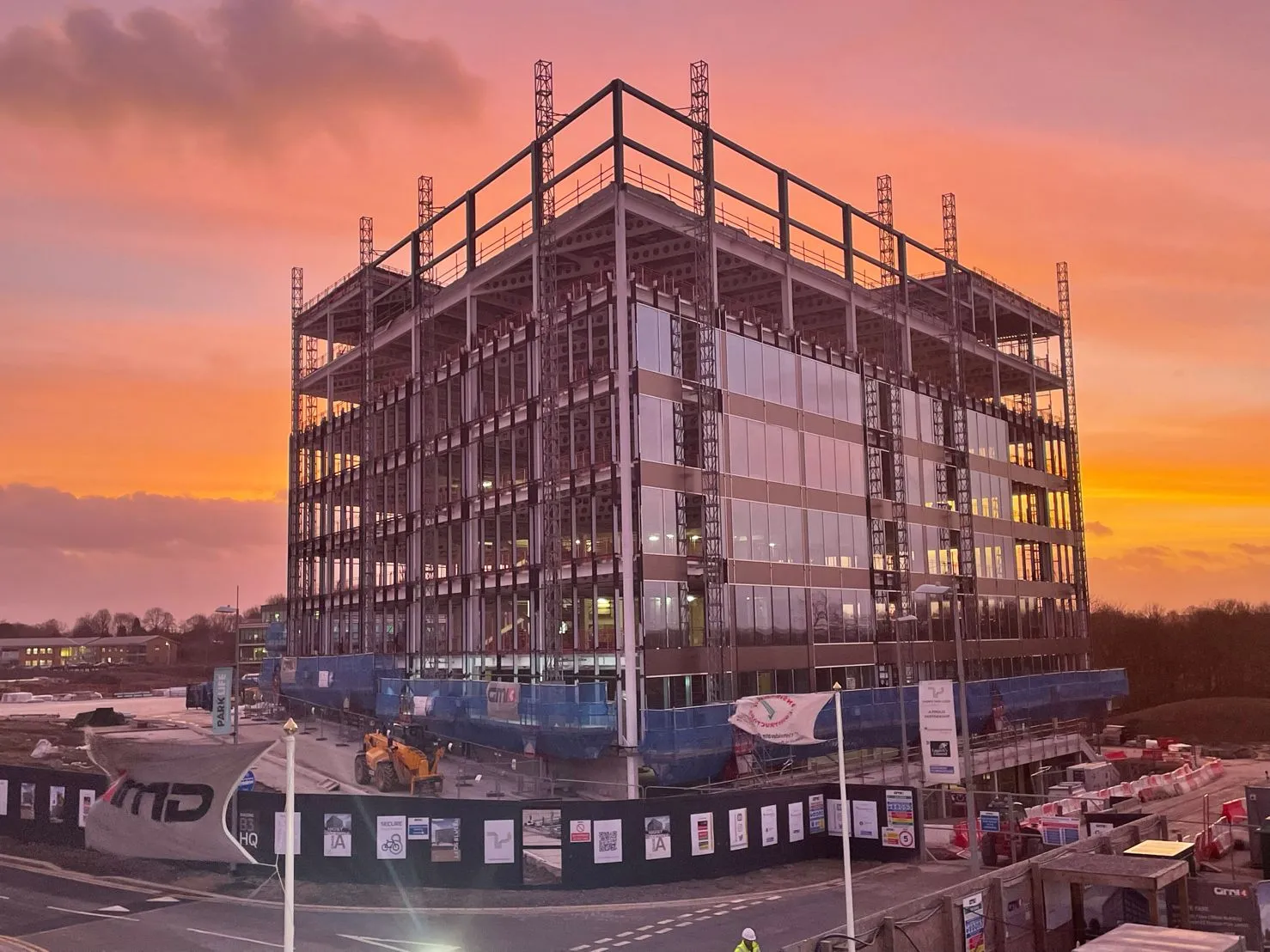
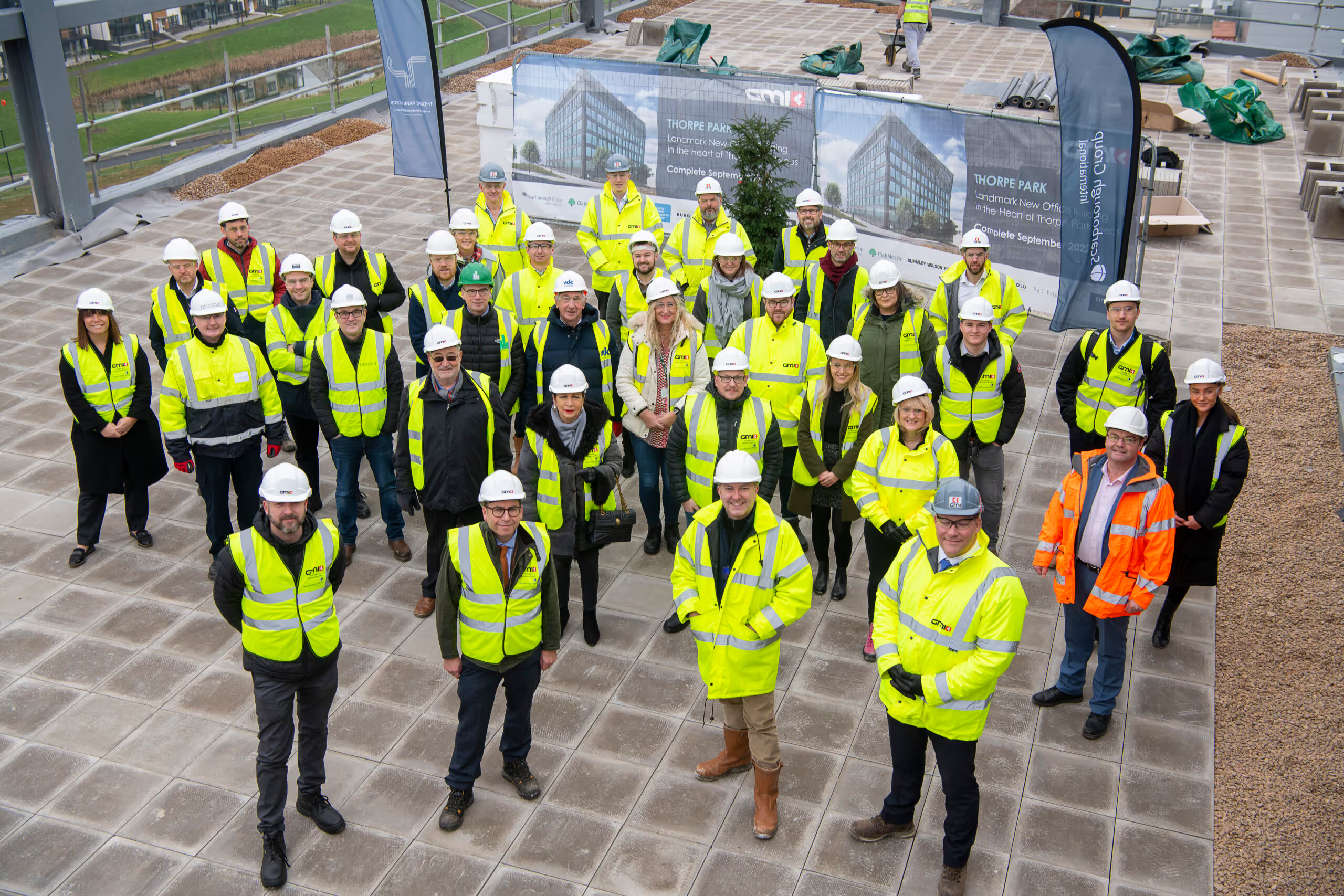
Through Thorpe Park Developments Ltd, we're bringing forward the circa 90,000 sq ft, four-storey facility in partnership with Delta Academies Trust.
Subject to planning and Department for Education approvals, Delta would relocate its existing post-16 provision at Garforth Academy to the purpose-built facility, increasing capacity from around 400 students to up to 1,000. The relocation would also release space at Garforth Academy for its 11-16 provision, allowing existing facilities to be repurposed and supporting wider improvements across the school. Designed by AHR, the four-storey building has been developed specifically for post-16 learning, combining teaching spaces with areas for independent study and student life. Sustainability is integral to the design, which is targeting BREEAM Excellent.
The application comes as Leeds experiences significant growth in its 16-17 population. The city’s current Year 11 population of 8,714 is projected to increase to 10,015 by 2028/29 - the highest projected growth of any English local authority, according to ONS data.
The new college would offer a broad curriculum combining A Levels with technical and vocational routes, including T Levels and the soon-to-be-released V-Levels, providing different pathways into higher education, apprenticeships and employment.
Its location at Thorpe Park would place students within an established business community of more than 100 businesses and around 7,500 employees, creating opportunities for work experience, employer-led placements and closer links between post-16 learning and future careers.
For businesses, it would also create opportunities to engage with emerging talent and help shape the skills needed by employers across Leeds and the wider city region.
The college would also sit close to growing communities across East Leeds and alongside the existing mix of employment, retail, leisure and green space at Thorpe Park. Students would have access to The Springs retail and leisure centre, 150 acres of open space at Green Park and Leeds City Council's planned Park Life sports hub.
Thorpe Park is already served by road, bus, walking and cycling routes. However, the West Yorkshire Combined Authority and Network Rail are currently advancing their ambitions to build a new railway station at Thorpe Park.
The planning submission follows public consultation over the summer, which attracted positive engagement and strong support from those who responded. Feedback received during the consultation has helped inform the design and the application now before Leeds City Council, with 68.5% of respondents supporting the plans.
Adam Varley, Development Director at Scarborough Group International, said:
“There’s something really compelling about giving young people the opportunity to take their next step in a place like Thorpe Park. They would be surrounded by businesses of all sizes and sectors, seeing first-hand the breadth of careers available to them and, importantly, having opportunities to build those connections before they leave post-16 education.
“For the businesses already here, and those we hope to attract in the future, there’s an equally exciting opportunity to engage with emerging talent, share skills and experience and help young people understand where their studies could take them. That relationship has the potential to be incredibly valuable on both sides.
“Submitting the planning application brings that vision a step closer. It would also introduce something completely new to Thorpe Park, adding to the mix of people and uses here and bringing another generation into the life of the Park.
“We’ve had some really constructive feedback through the consultation and I’d like to thank everyone who took the time to get involved. We’ll continue that dialogue as the application moves forward.”
Andy Barnett, CEO at Delta Academies Trust, said:
“The submission of this planning application represents an exciting milestone in our plans to establish Thorpe Park College and provide more high-quality educational opportunities for young people in Leeds.
“At Delta Academies Trust, we are committed to creating ambitious, inclusive learning environments where every young person can achieve their full potential. Thorpe Park College is a significant investment in the future of local families, providing students with an inspiring setting in which to learn, grow and prepare for the opportunities ahead.
“We believe these proposals have the potential to make a lasting contribution to the local community and to the wider educational landscape across Leeds. We look forward to engaging with the local community and stakeholders as the planning process progresses.”
The planning application has been submitted to Leeds City Council by Zerum on behalf of Thorpe Park Developments Ltd.
The wider project team includes AHR as architect, Zerum as planning consultant, Mosodi as transport planning consultant, BWF as cost consultant, Buro Happold as engineer, Ares as landscape architect and Willmott Dixon as contractor.
Subject to planning and the necessary Department for Education approvals, the new college is targeting an opening in autumn 2028.
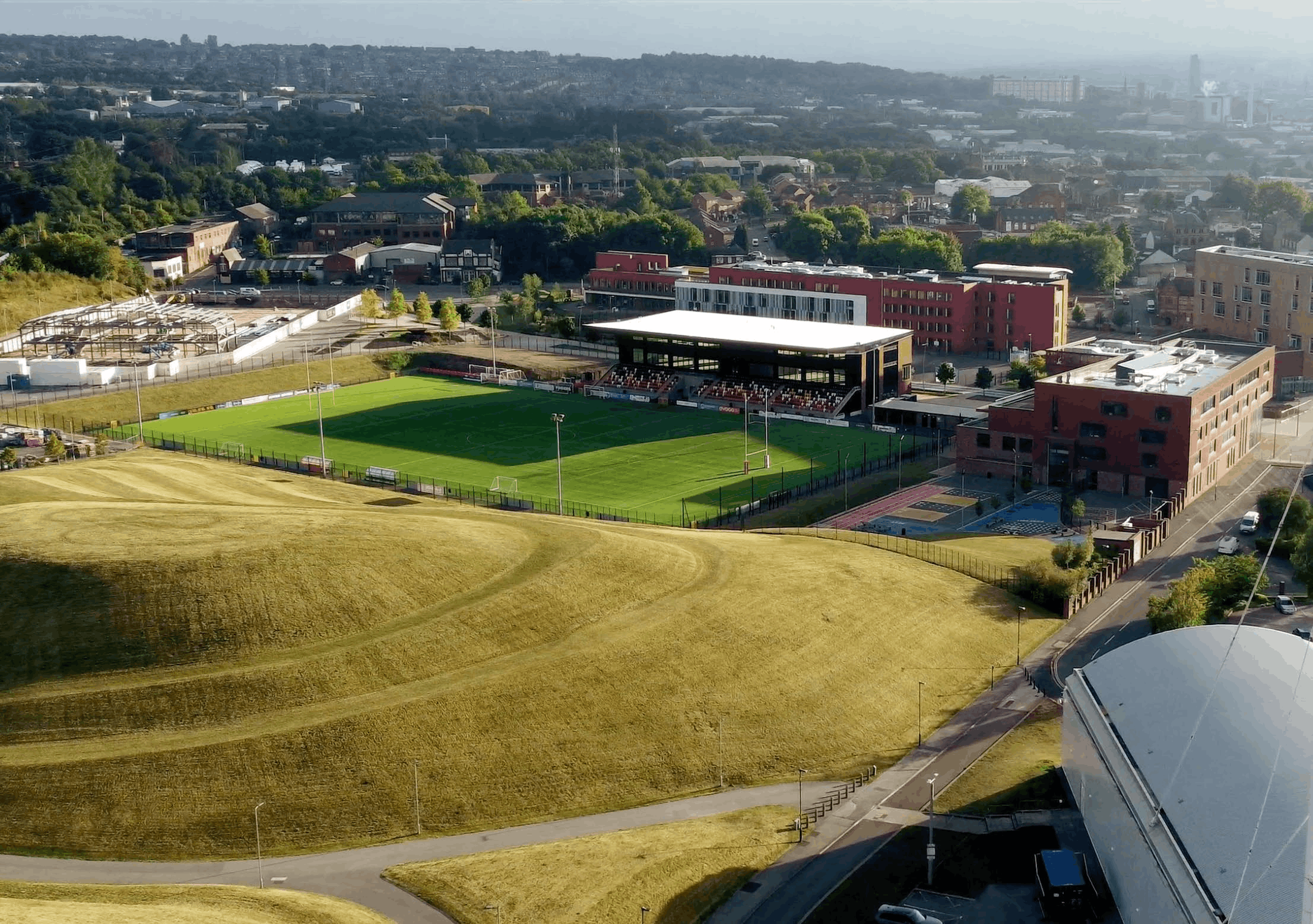
The submission forms part of the next phase of growth at Thorpe Park Leeds. Over the last 25 years, more than one million sq ft of workspace has been delivered alongside The Springs retail and leisure destination and 300 homes. The masterplan envisages Thorpe Park growing to more than 2.8 million sq ft, with further office, industrial and logistics, hospitality, leisure and residential development planned.
By Simon McCabe, Chief Executive, Scarborough Group International
In the opening weeks of Andy Burnham’s premiership, we’re starting to get a much clearer picture of how this Government intends to stimulate development and economic growth.
The new National Planning Policy Framework was a significant first move. Now we have proposals to give mayors across England powers to call in strategically important planning applications, grant permission directly in certain circumstances and have a much greater say over how national housing and infrastructure funding is deployed in their regions.
Taken together, it’s a significant shift and, from a developer’s perspective, there’s a lot to like about the direction of travel. A planning system that provides greater certainty, supports investment and helps good development come forward more quickly is something our industry has been asking for over many years. Whether these changes achieve that will depend on how they work in practice.
For those of us trying to deliver large-scale regeneration, the problem has rarely been a shortage of ambition or ideas. The hard part is turning them into something viable, fundable and deliverable while bringing together land, infrastructure, planning, occupiers, investment and the interests of communities. When you’re working on projects that can take ten, twenty or even thirty years to complete, the ability to make decisions with some degree of certainty is hugely important.
There is plenty in the new NPPF that should help. Stronger support for development around transport hubs, better use of brownfield and underused land, clearer backing for economic development and strategic growth sectors, and a more strategic approach across local authority boundaries all make sense. So does the underlying principle that planning should enable growth rather than frustrate it.
At the same time, the framework is much firmer about what is expected from developers, particularly around affordable housing, accessibility, density, build-out and community benefit. Those requirements will need to be understood from the outset and reflected in what developers pay for land, how schemes are appraised and designed, the infrastructure they require and, ultimately, whether they can be delivered.
The ability to use viability to revisit obligations later has also been significantly tightened. I don’t necessarily see greater clarity as a bad thing. If everyone understands the rules from the beginning and, crucially, those rules are applied consistently, we can make better decisions about land, investment and design rather than revisiting fundamental assumptions further down the line.
The latest announcement on mayoral powers adds another interesting dimension. Under the proposals, mayors outside London would be able to call in applications of strategic importance, with thresholds including schemes of more than 150 homes or 15,000 square metres of commercial space. So we’re not talking about powers that would apply only to a handful of enormous projects; potentially, they could affect a sizeable proportion of the development needed to support growth across our major towns and cities.
From where we sit, there is logic in taking a more strategic view. The economic geography of our cities and regions has never respected local authority boundaries. People live in one authority and work in another, businesses draw employees from across whole city regions, transport investment changes the prospects of places miles away and the infrastructure needed to unlock major regeneration can have implications far beyond an individual site. Decisions about growth need to reflect that wider geography.
What’s particularly interesting is that the Government isn’t looking at planning in isolation. Alongside the proposed new powers, mayors are being given a greater say over how Homes England funding is directed. £1.3 billion from the national land and infrastructure fund has already been allocated to the seven most established mayoral areas, alongside further funding for brownfield development and housing acceleration, while mayors outside London are set to gain the ability to levy development to help pay for major infrastructure.
Anyone who has spent time trying to unlock a difficult regeneration site knows that securing planning permission is only part of the job. You can have an allocation, a supportive local authority and a perfectly good consent, but if the transport, utilities, remediation or other enabling infrastructure isn’t there, development can still sit on paper for years. Bringing decisions about planning, infrastructure and investment closer together could make a real difference, provided it removes barriers rather than creating another route through the system.
One of developers’ biggest frustrations with the current system is simply the time it can take. Too much red tape, rising costs and decisions that extend well beyond statutory timeframes can mean the market moves before a scheme is ready to proceed. Opportunities are missed, investment is delayed and, in some cases, projects simply don’t happen. Reform has to address that if it is genuinely going to unlock development.
Large regeneration projects don’t fit neatly into political or planning cycles, and they certainly don’t stand still for twenty years. Markets move, infrastructure requirements evolve, occupiers change and the mix of uses that made sense when a masterplan was first conceived may look very different by the time later phases are delivered. Giving strategic sites a clear consenting framework while retaining enough flexibility to respond as circumstances change feels much closer to the reality of how these projects are delivered.
There are obviously questions still to answer. Giving mayors greater powers should speed development up if responsibilities are clear, decisions are made in sensible timeframes and mayoral offices work closely with property owners, developers and local authorities. Nobody in the industry wants to see one lengthy process replaced by another, nor should a more strategic approach come at the expense of proper local engagement. The knowledge within local authorities and communities remains an important part of getting development right.
Resourcing is equally important. We can rewrite national policy and change where decisions are taken, but somebody still has to process applications, negotiate agreements and work through the detail. Planning departments have been under enormous pressure for years and, unless capacity is addressed alongside structural reform, there’s a danger the bottleneck simply moves rather than disappears.
As Scarborough Group International marks its 50th anniversary this year, we’ve inevitably spent time looking back at how the property industry has changed over those five decades. We’ve worked through different governments, planning regimes and more than a few economic cycles, and we’ve seen plenty of reforms intended to get Britain building. Some have genuinely helped; others have generated a great deal of activity without necessarily making it any easier to turn an ambitious plan into a completed development.
Perhaps that’s why the current direction is worth watching. Rather than one isolated change to planning policy, we’re beginning to see an attempt to connect things that have too often been dealt with separately: where growth should happen, who makes the decisions, how infrastructure is funded and how public investment can unlock private investment. The new NPPF already gives greater importance to mayors and Spatial Development Strategies, and the latest announcement pushes further in the same direction.
It’s far too early to know whether it will work. What developers will be looking for now is consistency and follow-through: clear rules that don’t keep changing, planning authorities with the resources to make timely decisions, infrastructure investment that unlocks rather than follows development, and a willingness across the public and private sectors to deal pragmatically with the issues that stop viable schemes moving.
If the Prime Minister’s reforms can bring those things together, there is a genuine opportunity to get more good development underway and more investment flowing into the places that need it.
That’s ultimately how this agenda should be judged: not by the number of planning policies rewritten or new powers announced, but by whether, a few years from now, we can point to more homes being built, more regeneration schemes progressing, more infrastructure being delivered and more businesses investing as a result.

By Simon McCabe, Chief Executive, Scarborough Group International
When people ask me what makes regeneration successful, they're often expecting me to talk about vision. Vision is important, of course, but it's only ever the starting point. The real challenge is understanding a place well enough to make good decisions over many years, because regeneration isn't something you do once. It's something you live with, learn from and continually refine.
That's one of the biggest lessons I've learnt growing up around this business and one that has shaped the way we still work today.
It's easy to look at a successful regeneration project once it's complete and assume the outcome was obvious from the beginning. In reality, that's rarely the case. The places that eventually become thriving business districts, neighbourhoods or town centres usually start with far more questions than answers. What's driving the local economy? Which sectors are growing and which are declining? Where will future jobs come from? Does the skills base support that ambition? How will infrastructure change over the next decade? Which partners share the same long-term vision, and just as importantly, what could prevent that vision from ever becoming reality?
You can find plenty of data to help answer those questions, and we use it every day. But regeneration has never been about collecting information; it's about building understanding. That only comes from spending time in a place, listening to the people who know it best and taking the time to understand how everything fits together. Local authorities, employers, universities, occupiers, investors, contractors and communities all see a place from a different perspective, and unless you bring those perspectives together, you're only ever looking at part of the picture.
Thorpe Park is probably the best example of that philosophy. Looking across the site today, it's difficult to imagine that more than thirty years ago much of it was agricultural land and the M1/A1(M) link road hadn't even been built. People often describe Kevin's decision to invest there as vision, but I think that's only half the story. Of course, he recognised the opportunity, but he also understood where Leeds was heading as a city, how improved connectivity would reshape the area, how employment patterns were changing and what bringing together the right public and private sector partners could achieve over time. The opportunity wasn't simply the land itself; it was the wider economic story unfolding around it.
That understanding didn't stop once the investment had been made. If anything, it became even more important because regeneration is never a straight line. Markets move, occupiers' requirements evolve, infrastructure comes forward, construction throws up challenges and opportunities emerge that simply weren't visible when the first masterplan was drawn. The job isn't to prove the original plan was perfect; it's to make sure the place reaches its full potential, even if that means adapting the route along the way.
That's why we've always believed our teams should be based where our projects are.
People sometimes assume that's simply about keeping a closer eye on construction, and there is certainly an element of that. Being on site means you understand quality, solve practical issues quickly and make decisions while they're still straightforward to make rather than expensive to correct. When you're delivering projects of this scale, there is no substitute for seeing progress with your own eyes, talking to contractors, understanding the realities on the ground and making sure the finished product reflects the standards you set at the beginning.
But construction is only part of the picture.
Being close to our projects, and surrounding ourselves with people who make things happen, means we're also close to everything happening around them. Our teams understand the local market because they're part of it. They hear directly from occupiers about how their businesses are changing. They know when employers are struggling to recruit, when colleges are investing in new skills, when transport improvements are changing the way people move around a city and when demand is shifting from one sector to another. Those conversations don't happen at quarterly review meetings; they happen every day, and they shape the decisions we make throughout the life of a project.
Middlewood Locks is another good example. From the outset, the ambition was never simply to develop 25 acres of former dockland. The ambition was to create a neighbourhood that reconnects part of Salford with Manchester city centre and becomes a place where people genuinely want to live, work and spend time. You don't achieve that by delivering a fixed masterplan and walking away. Each phase teaches you something about the next. You see how public spaces are used, how people move through the neighbourhood, what businesses are looking for and how the market is evolving. Those lessons influence future phases, because successful regeneration should respond to the way places actually develop rather than the way we imagined they might years earlier.
That continuous learning is probably the biggest difference between development and regeneration. Development can be about delivering a scheme. Regeneration is about understanding an economy, supporting businesses, creating jobs, building confidence and helping places evolve over decades. The buildings are important, but they're the result of getting those bigger decisions right rather than the objective in themselves.
That's what I mean when I talk about getting our hands dirty.
It's not a phrase about muddy construction sites, although anyone who spends time with our teams will know there's plenty of that too. It's about staying close enough to ask better questions, understand when something needs to change and never becoming detached from the places we're helping to shape. Technology will continue to transform our industry, giving us better data, better modelling and better ways to analyse markets than ever before, but I don't believe it will ever replace the judgement that comes from being present, building relationships and understanding a place properly.
For me, that's what regeneration has always been about. Not imposing a vision from a distance, but earning the right to shape a place by taking the time to understand it. It's an approach that has defined SGI for fifty years, and it's one that will continue to define the way we work for the next fifty.

By Paul Kelly, Group Managing Director, Scarborough Group International
For much of the past two decades, Greater Manchester has been one of the UK's most compelling investment stories. It has consistently outperformed expectations, attracted global businesses, created thousands of new jobs and transformed perceptions of what a regional city can achieve. That story is now well established.
The conversations we have with institutional investors today are noticeably different from those we were having ten or even five years ago. There is far less discussion about whether Greater Manchester has earned its place alongside London's established investment markets and much more focus on identifying the neighbourhoods that are best positioned to benefit from the city's next phase of growth.
That is an important distinction because it reflects the maturity of both the city and the investment market.
Development capital has undoubtedly become more selective. Higher interest rates, increased construction costs, more demanding regulation and a more cautious lending environment mean investors are scrutinising opportunities more closely than they have for many years. Yet despite those headwinds, Greater Manchester continues to attract significant institutional investment into the Living sector.
In our experience, that isn't happening because investors are chasing the next emerging market. It is happening because Greater Manchester has spent the best part of twenty years demonstrating that it possesses the economic resilience, connectivity and long-term fundamentals capable of supporting sustained residential investment through changing market cycles.
Residential investment has always been underpinned by economic confidence.
People choose where they want to live for many reasons, but employment opportunities, career prospects and quality of life remain fundamental drivers of long-term housing demand. Cities that continue to attract businesses and highly skilled workers invariably create stronger and more resilient residential markets, and Greater Manchester has consistently demonstrated its ability to do both.
The latest economic data reinforces that position. Greater Manchester is now the UK's fastest growing city region economy, recording average annual GVA growth of 3.1 per cent between 2015 and 2023, more than double the national average. The city region's economy has exceeded £100 billion for the first time, productivity growth has outperformed every other UK city region over the same period, and the number of businesses has increased by 22 per cent since 2015, almost twice the national average. Greater Manchester also continues to attract more foreign direct investment than any UK city region outside London.
Those figures tell us something important.
Greater Manchester's growth is no longer being driven by a single sector or one exceptional period of investment. Financial and professional services continue to perform strongly, but they now sit alongside nationally significant strengths in technology, digital, advanced manufacturing, life sciences and the creative industries. Combined with internationally recognised universities and one of Europe's largest graduate populations, the city has developed a diverse economy that continues to attract talent, create employment and support long term residential demand.
For investors, those are the fundamentals that matter because successful residential markets ultimately follow successful economies.
There was a time when simply having exposure to Greater Manchester represented an investment strategy.
Today, the market has become considerably more sophisticated.
Institutional investors are increasingly looking beyond headline rental growth and population projections. They want to understand how neighbourhoods function, whether infrastructure has kept pace with development, how places connect into the wider city and, perhaps most importantly, whether there is sufficient confidence in long-term delivery to justify deploying significant amounts of capital.
That reflects the way the Living sector has evolved.
Build to Rent has matured into an established institutional asset class, while mixed tenure neighbourhoods are increasingly being viewed through the lens of long-term operational performance rather than simply development returns. Investors are placing greater emphasis on resident retention, quality of place, connectivity and stewardship because they recognise that successful neighbourhoods create more resilient income over the long term.
It’s no longer simply about constructing buildings. It’s about creating places where people choose to stay.
One of the reasons Greater Manchester continues to stand out is that it has consistently demonstrated an ability to deliver regeneration at scale.
That should not be underestimated.
Many cities have ambitious masterplans and significant development opportunities. Far fewer have a track record of translating those ambitions into successful neighbourhoods over many years and through changing economic conditions.
Greater Manchester has repeatedly shown that long-term regeneration is possible because it has benefited from sustained collaboration between the public and private sectors, continued investment in transport and infrastructure and a willingness to take decisions that support growth beyond individual political or economic cycles.
That consistency matters to investors.
In a market where development has become more challenging, certainty has become increasingly valuable. Investors want to see evidence that infrastructure is progressing, enabling works are underway, partnerships remain strong and schemes are continuing to move forward despite wider market conditions. Those factors do not remove risk, but they provide confidence that projects have both the commitment and capability to reach completion.
Middlewood Locks is a good example of how Greater Manchester's wider growth story is translating into long-term investment opportunities.
When work first began, the vision was to transform a largely disused brownfield site into a new mixed use neighbourhood connecting Salford and Manchester City centre. Ten years later, that vision has become a reality. More than 2,600 people now live at Middlewood Locks, supported by high quality public realm, independent businesses, excellent connectivity and a genuine sense of community.
That success has not happened by accident.
It has been built through long term collaboration between Scarborough Group International, Metro Holdings, Salford City Council and the National Housing Bank, Homes England, alongside a shared commitment to delivering a neighbourhood rather than simply completing a development.
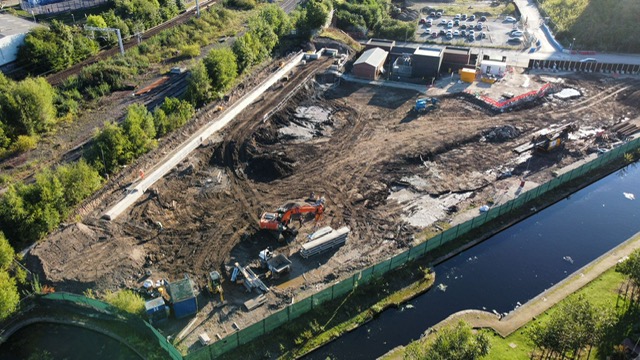
The recent funding announcement from the National Housing Bank, Homes England, marks another important milestone in that journey. It supports the next phase of enabling works that will unlock the delivery of a further 909 homes, while reinforcing confidence in a partnership that has consistently demonstrated its ability to deliver over the long term.
There is always a temptation to judge cities by the number of cranes on the skyline or the volume of transactions completed in any given year.
Those indicators are useful, but they only tell part of the story.
The cities that continue to attract institutional capital are those with strong economic fundamentals, diverse employment, sustained population growth, investment in infrastructure and a proven ability to deliver successful regeneration over many years. Greater Manchester has spent the last two decades building exactly those foundations, and the latest economic evidence suggests that momentum is continuing rather than slowing.
From our perspective, that is why institutional investors continue to back Greater Manchester.
They are investing in a city that has consistently demonstrated its resilience through different market cycles, continues to create the jobs and opportunities that underpin long term residential demand and has established a track record of delivering neighbourhoods that evolve over time rather than simply completing developments.
As the market becomes more selective, those qualities are only becoming more valuable. The opportunity is no longer simply investing in Greater Manchester. It is identifying the places within the city that have already demonstrated their ability to deliver, continue to evolve and create lasting value for residents, businesses and long-term investors alike.
.jpg)
Episode 05 of our podcast series is now live.
Created to mark 50 years of Scarborough Group International, the series explores the people, partnerships and defining moments that have shaped the business over the past five decades.
Hosted by three-time World Squash Champion Nick Matthew OBE, this episode features Kevin McCabe, Simon McCabe and Ezra Nahome, CEO of Lambert Smith Hampton, as they examine how the real estate industry has evolved and what it takes to succeed in an increasingly complex market.
The conversation explores the value of long-standing relationships, adapting to changing market conditions, embracing innovation and technology, and why the most successful businesses are prepared to make decisions before the path ahead is completely clear.
Drawing on decades of experience across commercial property, they share candid reflections on leadership, resilience and the importance of maintaining a long-term perspective while continuing to evolve with the market.
Explore the series and watch Episode 05.
🎧 Spotify https://open.spotify.com/episode/5jzfQObHMFkQXXZGJWOaLA?si=SpVzjlINTH2iaAPF_yqaeg
🎬 YouTube https://youtu.be/QcmlrMphtmI
By Paul Kelly, Group Managing Director, Scarborough Group International
The UK property industry has never been short of ambition. Every conference, every policy paper and every government announcement reinforces the importance of delivering more homes, regenerating our towns and cities and attracting private investment into places that need it most. The intention is there, the demand certainly exists and there is no shortage of institutional capital looking for opportunities in the Living sector.
Yet despite all of that, the gap between housing need and housing delivery remains stubbornly wide.
That tells us something important. The challenge facing the industry today is no longer convincing people that we need more homes or attracting investors into residential property. It is creating projects that are capable of moving from aspiration to delivery in an environment that has become significantly more complex than it was even five years ago.
Construction costs have risen sharply, while the Building Safety Act has introduced a more rigorous regulatory framework that rightly places greater emphasis on accountability and demonstrating compliance throughout the design and delivery process. It has also added time, cost and complexity to bringing forward residential development. Infrastructure costs continue to increase, planning and utility connections often take longer than anticipated, and procurement has become more challenging. None of these changes are inherently negative. They are helping to raise standards across the industry. Collectively, however, they have made the delivery of major regeneration projects significantly more complex and, in doing so, have changed what investors look for when assessing delivery risk.
Increasingly, investment committees are asking questions that extend well beyond planning consent and projected returns. They want to understand whether the infrastructure is deliverable, whether there is genuine public sector commitment, whether the delivery team has navigated projects of comparable complexity before and whether the partnership around the table has the resilience to see a project through changing market conditions.
In other words, confidence has become one of the most valuable assets a scheme can offer.
Residential remains one of the most attractive long term investment sectors in the UK. Demographic trends continue to support demand, particularly in cities with strong employment growth, expanding knowledge economies and a growing population. Manchester is perhaps the clearest example of that. Its ability to attract businesses, graduates and investment has been well documented, while independent research continues to highlight the city's long term economic strength and the resilience of its rental market.
What has changed is not the attractiveness of residential as an asset class. It is the way projects are assessed.
There was a time when securing planning permission was seen as the principal milestone. Once consent had been achieved, the assumption was often that delivery would naturally follow. Today's market is rather different. Investors recognise that planning is only one stage in what has become a far more complex process, and increasingly they are looking for evidence that the difficult work has already begun.
That means understanding how infrastructure will be funded, how viability will be maintained, whether enabling works are progressing, how public bodies are supporting delivery and whether the people behind the project have demonstrated the patience and experience needed to navigate inevitable challenges over what may be a decade or more.
The market has not become more cautious. It has become more discerning, and that distinction matters because it changes where value is created.
One of the biggest lessons we have learned over the past decade is that successful regeneration has very little to do with one organisation getting everything its own way. Quite the opposite. The most successful projects are usually those where every partner understands that achieving the best outcome requires compromise, trust and a shared commitment to the long term.
Public private partnerships have often been spoken about as though they are simply another delivery mechanism or funding structure. In reality, they are much more fundamental than that. They create alignment between organisations with different responsibilities but a common objective, allowing decisions to be made with confidence even when market conditions become more challenging.
That has certainly been our experience working alongside Salford City Council and the National Housing Bank, Homes England, at our Middlewood Locks scheme.
Over more than a decade, we have worked together through changing governments, different economic cycles, rising construction costs and an evolving regulatory landscape. There have been difficult decisions, robust conversations and occasions where plans have needed to adapt to changing circumstances, but the partnership has remained focused on the same objective of creating a successful neighbourhood that delivers long term value for residents, businesses and the city.
That continuity is far more valuable than it perhaps appears from the outside. It creates certainty, not because challenges disappear, but because everyone involved is committed to solving them together.
National Housing Bank, Homes England, has changed the conversation
One organisation that deserves particular recognition is the National Housing Bank, Homes England.
Throughout our experience, Homes England has consistently demonstrated what effective public sector partnership should look like. It understands commercial realities, recognises that regeneration rarely follows a straight line and is focused on helping projects move forward rather than simply administering funding programmes. That practical approach has made a real difference, particularly at a time when many schemes across the country have struggled to maintain momentum.
The creation of the National Housing Bank builds on that philosophy. It recognises that increasing housing delivery requires more than planning reform or ambitious targets. Infrastructure, enabling works and patient capital all have an equally important role to play in creating the confidence that allows long term private investment to follow.
From our perspective, that is an important evolution in the way government supports regeneration. It reflects an understanding that successful development depends not simply on policy, but on partnership.
When we first became involved at Middlewood Locks, the opportunity was obvious. A strategically important brownfield site sitting between Manchester and Salford had the potential to become one of the North West's most significant new neighbourhoods. Realising that vision, however, required far more than a masterplan and planning permission.
It required sustained investment in infrastructure, long term collaboration between the public and private sectors and a willingness to continue investing through changing market conditions. It also required recognising that regeneration is measured over decades rather than development cycles.
Today, Middlewood Locks is home to more than 2,600 residents, with over 1,300 homes delivered alongside commercial space, public realm and new connections that have transformed the way this part of the city functions. Those outcomes are important, but they are not the achievement in themselves.
The real achievement is that the partnership has continued to deliver despite operating through one of the most challenging periods the industry has experienced in recent memory.
The continued support of the National Housing Bank, Homes England, is another important step in that journey, demonstrating confidence in a wider partnership that includes Salford City Council and has consistently delivered over the long term.
There will always be debate about planning reform, viability, regulation and housing targets. Those discussions are important because they shape the environment in which we all operate. However, they should not distract us from a much simpler truth.
Successful regeneration has always been built on relationships.
The projects that will attract long term investment over the next decade are unlikely to be those with the boldest visions or the most ambitious computer generated images. They will be the schemes that demonstrate they can deliver, that have earned the confidence of their public sector partners and that continue to create value long after the first phase has completed.
As a family owned business in our 50th anniversary year, we have always believed that our reputation is built over generations rather than market cycles. That naturally influences the way we think about development. We are interested in creating places that continue to evolve, attract investment and support thriving communities long after construction has finished because those are the places that ultimately deliver the strongest long term returns.
Looking back over the past ten years, perhaps the biggest lesson Middlewood Locks has taught us is that regeneration is no longer simply about assembling land, securing planning and finding funding. Those things remain important, but they are no longer enough on their own.
The projects that succeed will be those where public bodies, private developers and long term investors work together with a shared commitment to delivery, recognising that confidence is earned over many years and that successful partnerships create value that no organisation could achieve alone.
That, in my view, is what modern regeneration looks like, and why partnership has become one of the most valuable forms of capital our industry has.