By Deb Hetherington, Director of Innovation Ecosystems
In the evolving landscape of urban innovation, collaboration is no longer a “nice to have” – it’s a necessity. For developers like Scarborough Group International (SGI), building spaces is only part of the equation. We’re in the business of shaping ecosystems – places where research, enterprise, talent and community intersect to create long-term impact.
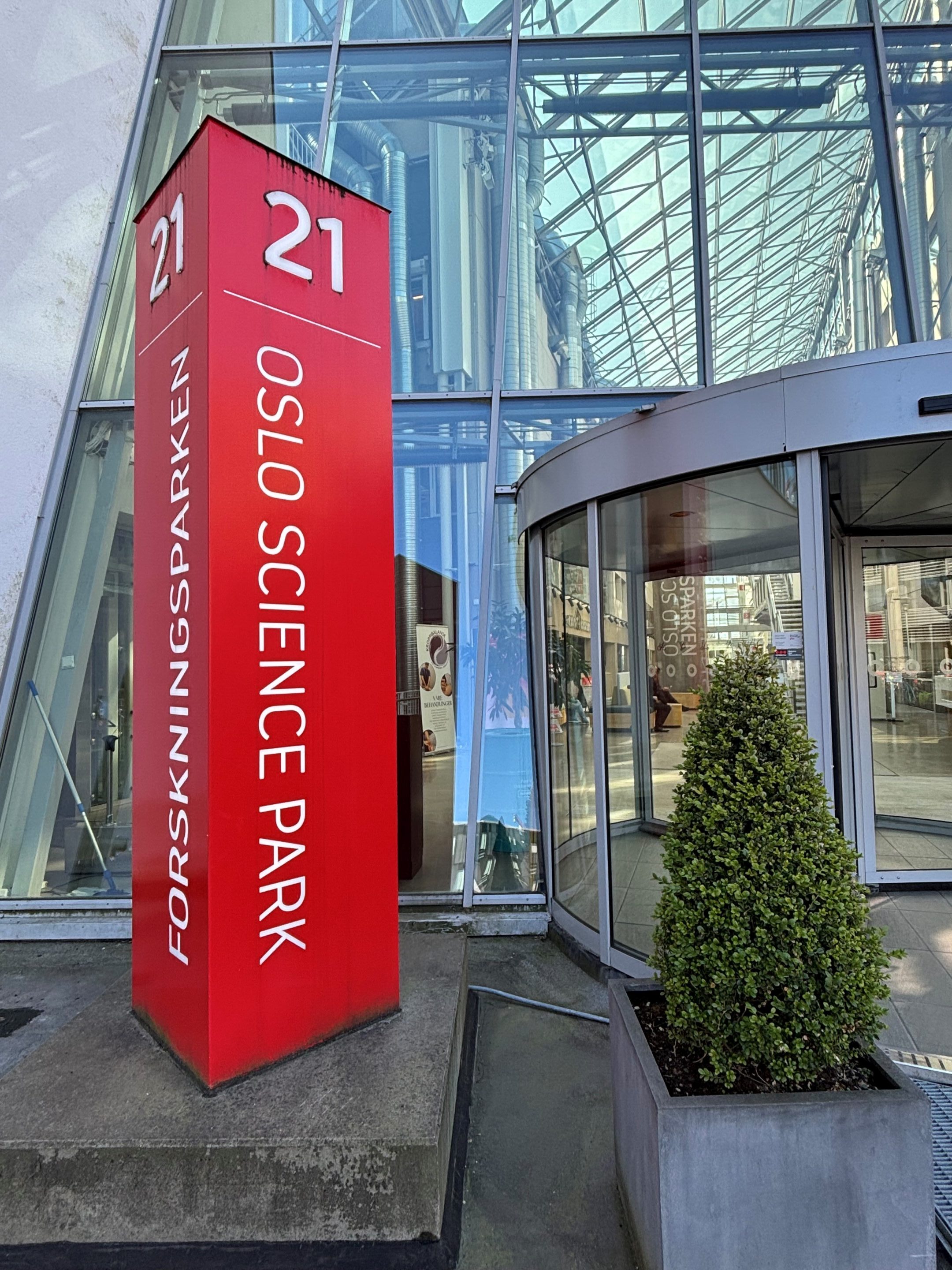
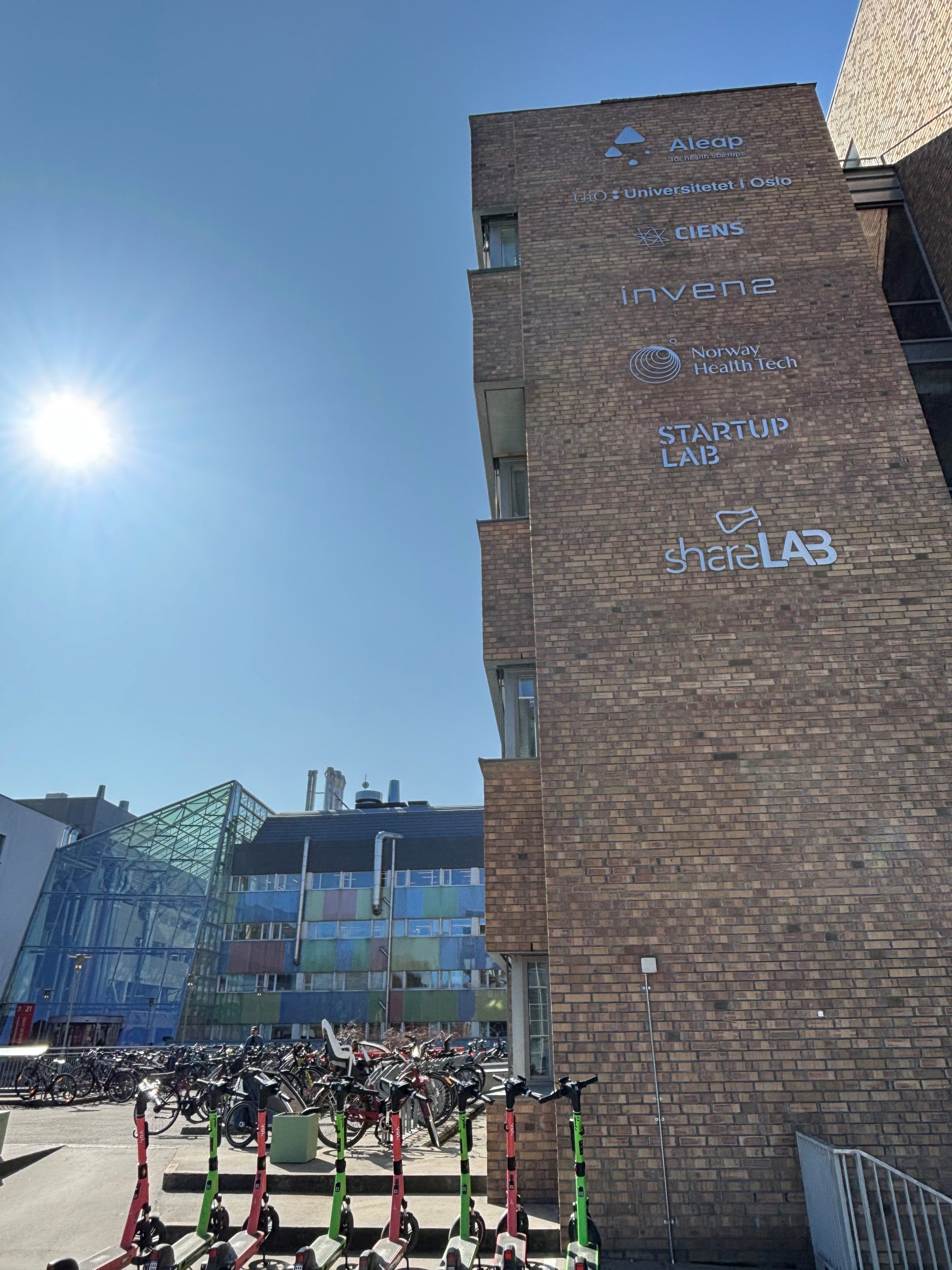
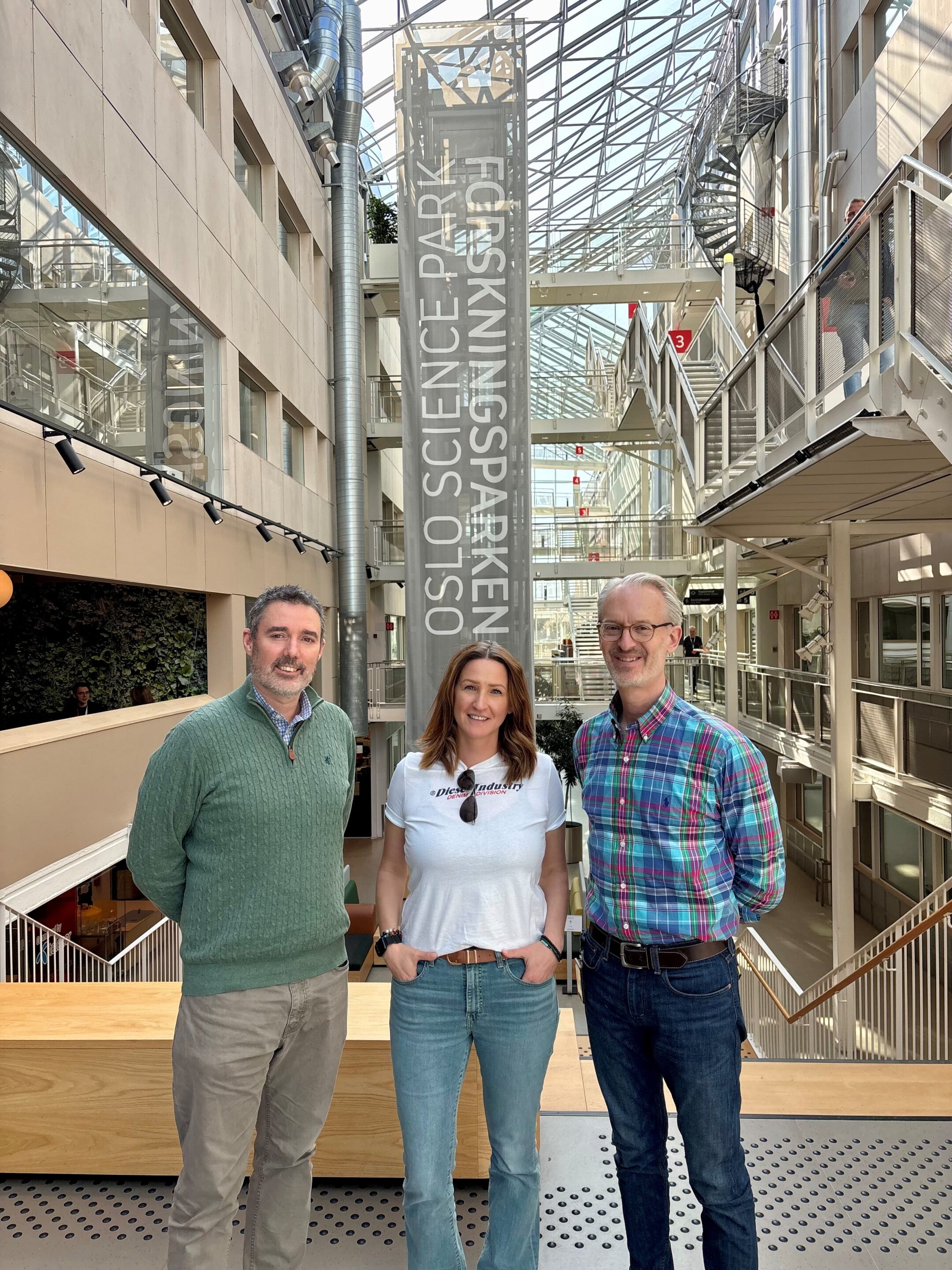
As part of our work delivering two of the North’s most exciting innovation assets – the Old Medical School in Leeds and Sheffield Olympic Legacy Park – I recently visited Oslo Science City. The visit formed part of our research and benchmarking process, and included conversations with leading innovation organisations such as Noroff, a digital skills provider, and Aleap, a health-focused incubator. These discussions were a powerful reminder: successful innovation districts don’t stop at the edge of a building. They stretch across sectors, institutions and borders.
Oslo Science City is Norway’s first innovation district, strategically anchored in the city’s most knowledge-intensive quarter. Since the 1980s, Oslo Science Park has been a cornerstone of this ecosystem – home to more than 300 organisations across life sciences, digital health, AI and cleantech. It’s a model of what’s possible when real estate, research and entrepreneurship are aligned from the start.
For SGI, the Oslo experience reinforced what we already believe: that long-term value is built through intentional ecosystem design. Whether in Leeds or Sheffield, it’s not just about creating world-class spaces – it’s about cultivating the networks, partnerships and platforms that allow innovation to thrive over decades.
Just minutes from Oslo Science Park, Noroff challenges the conventional model of education. Their mission is to create graduates who are market-shaping, not just job-ready – people who will define roles and industries that don’t yet exist.
What makes Noroff exceptional is their responsiveness to the needs of the innovation economy. Their programmes are co-developed with start-ups and tech leaders, ensuring that talent is directly aligned with the needs of the ecosystem.
This resonates deeply with our ambitions for Sheffield Olympic Legacy Park, home to UTC Sheffield Olympic Legacy Park, which is already preparing young people for careers in health sciences, computing and sport science. Our vision is to grow this pipeline further – creating an environment where education is not peripheral, but central to the ecosystem. At SGI, we see education as core infrastructure – a driver of innovation, not just a response to it.
Aleap’s model is distinctive. As a non-profit incubator, it supports health start-ups through access to expert networks, capital and community. But what stands out is the curation of that community. Founders aren’t left to fend for themselves – they’re embedded in a support system that includes hospitals, regulators, investors and academics.
This is a critical insight for our work at the Old Medical School in Leeds, which is currently being refurbished to become the first part of the Innovation Village. The site already benefits from an established foundation of collaborative activity – most notably the Innovation Pop Up, led by Leeds Teaching Hospitals NHS Trust. This initiative provides a dynamic interface between start-ups, clinicians and researchers, helping health tech innovators navigate the NHS and co-create impactful solutions.
As we bring the Old Medical School into its next chapter, initiatives like the Innovation Pop Up will play a vital role in anchoring our approach. They demonstrate that successful innovation hubs aren’t just about high-spec spaces – they’re about highly networked systems. Our ambition is to build on this existing momentum, creating a curated and connected environment where health innovation can flourish through cross-sector collaboration.
So what does all this mean for SGI’s innovation assets and the broader ambitions of Sheffield’s Advanced Manufacturing Innovation District and the Leeds Innovation Arc? It means we must collectively:
What we saw in Oslo was a district that thrives because it doesn’t rely on luck. It builds the conditions for chance meetings, cross-sector innovation, and international partnerships. The Old Medical School in Leeds and Sheffield Olympic Legacy Park can do the same – in fact, they already are.
What we saw in Oslo was a blueprint for success – one rooted in collaboration, intentionality and long-term thinking. As we shape the future of innovation in Leeds and Sheffield, we do so with a global mindset and a deep commitment to local impact.
Innovation isn’t built by chance. It’s built by those willing to look outwards, connect meaningfully, and lead with purpose. That’s the opportunity we see – and the responsibility we embrace.